Yerevan Hosts Conference on “Pathways to Justice: Regional Dialogue on Judicial Reforms: Armenia, Georgia, Moldova”
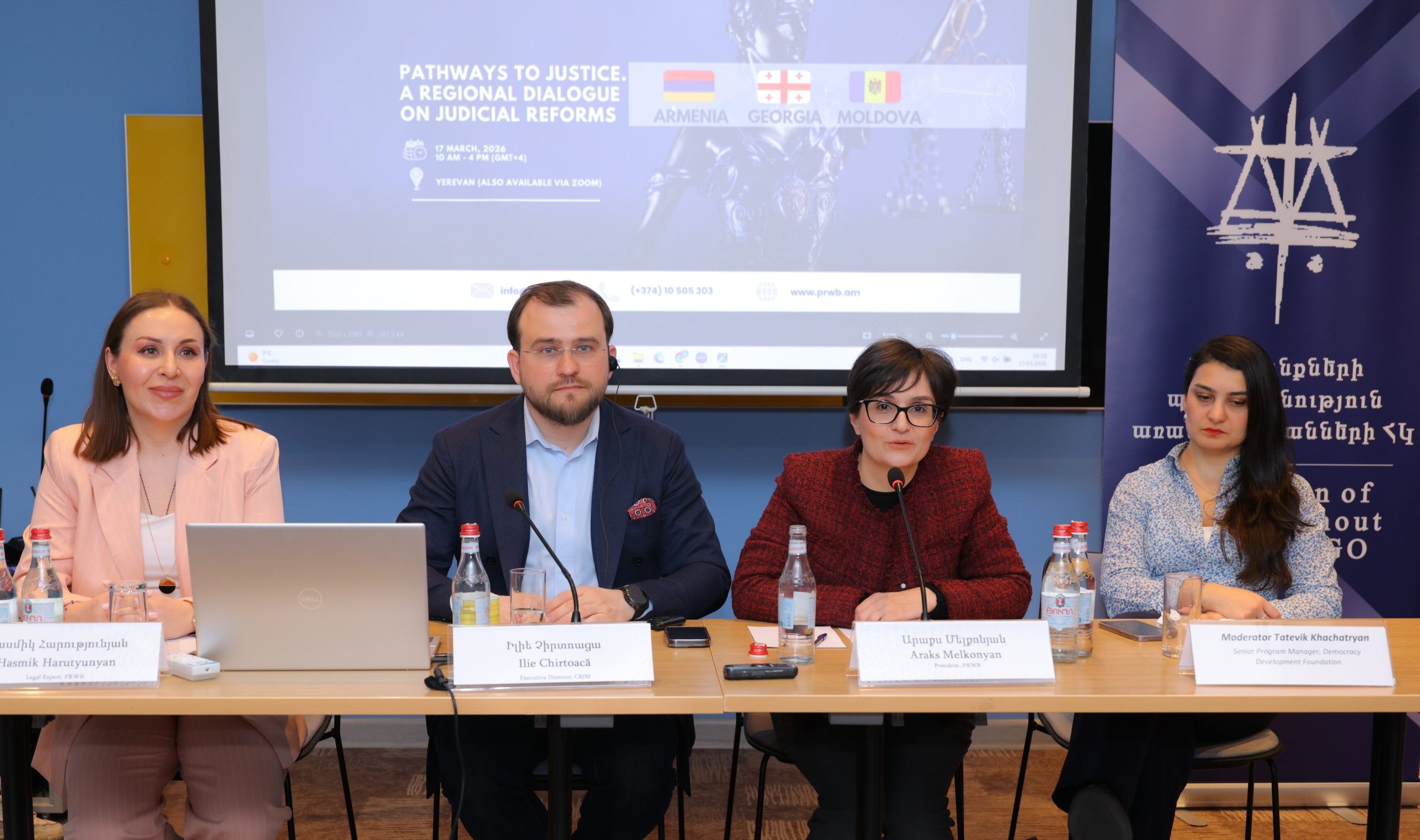


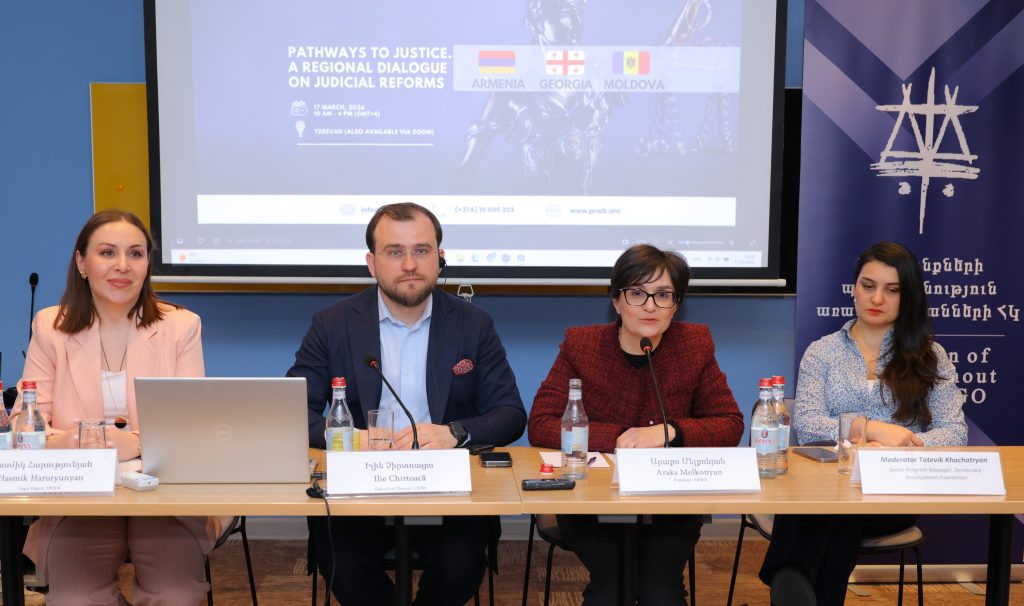
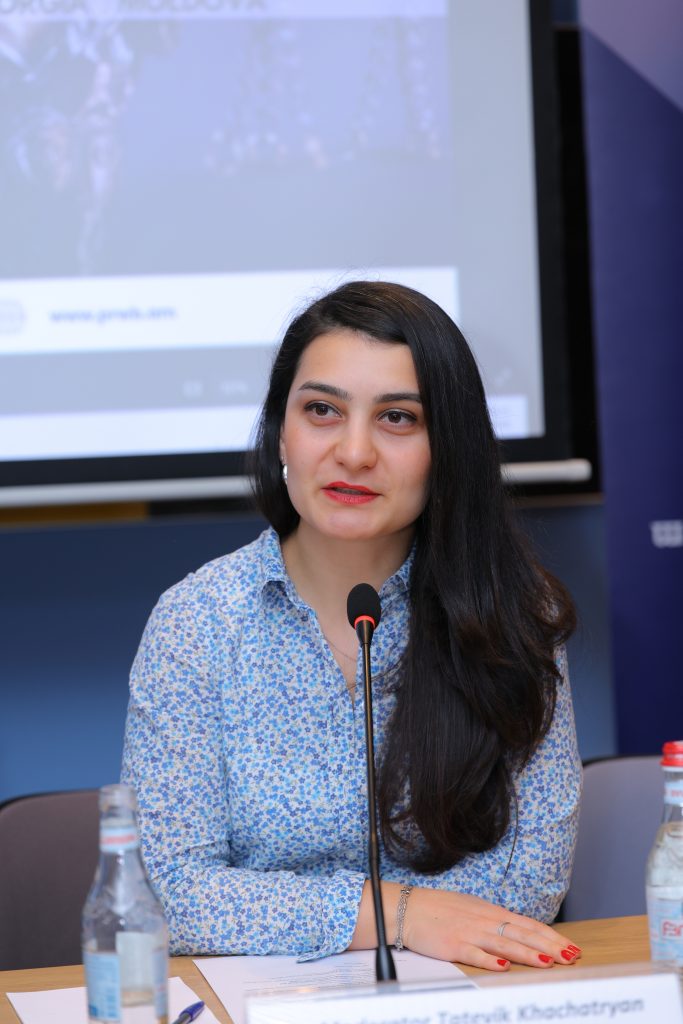
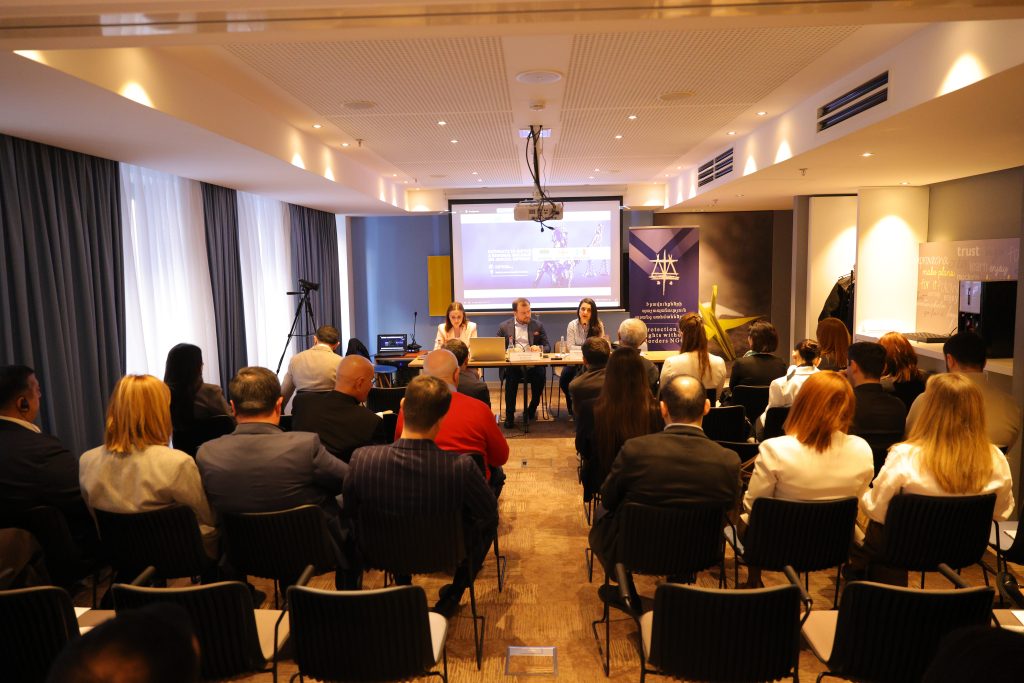
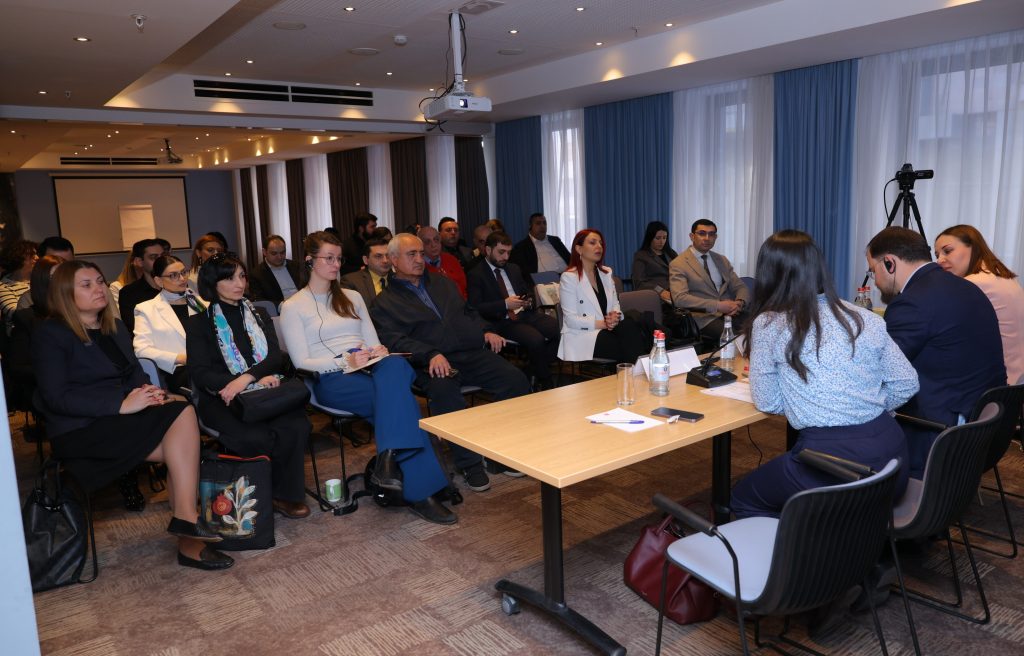
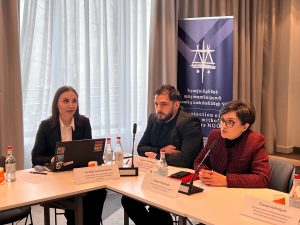
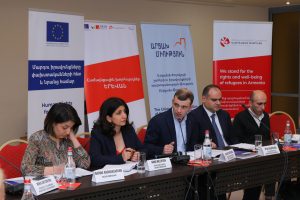
On March 17, Yerevan hosted the conference “Pathways to Justice: Regional Dialogue on Judicial Reforms: Armenia, Georgia, Moldova,” organized by the Protection of Rights Without Borders NGO.
The conference aimed to promote regional dialogue on judicial reforms, including issues related to judicial integrity, disciplinary liability of judges, and the examination of cases within reasonable time limits, as well as to discuss existing challenges and possible solutions.
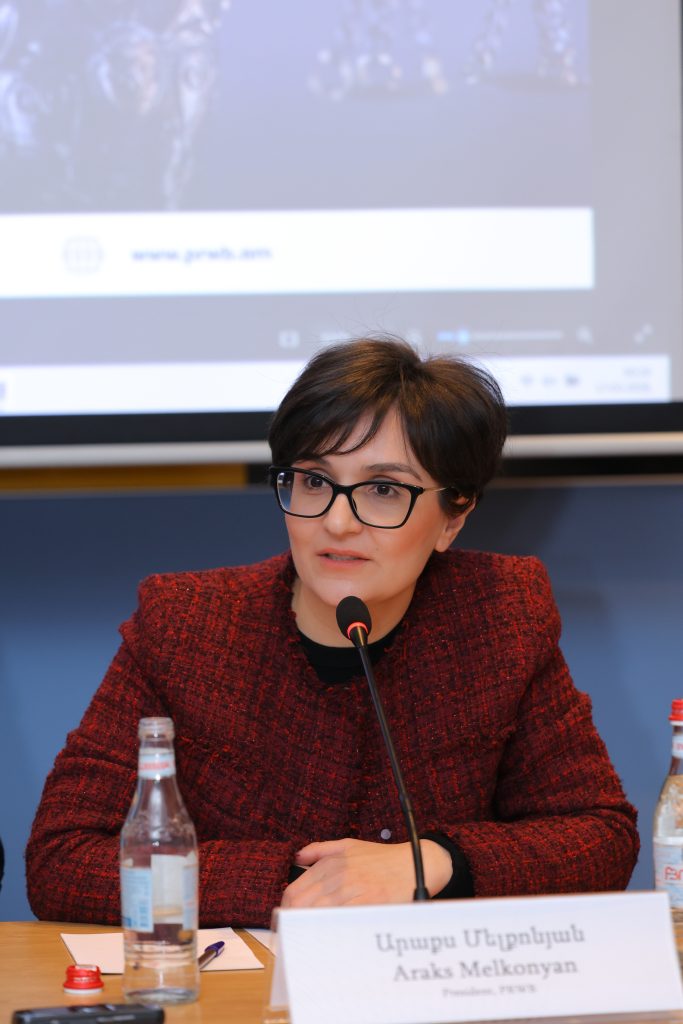
In her welcoming remarks, Araks Melkonyan, President of the Protection of Rights Without Borders NGO, emphasized the importance of exchanging regional experience in the process of reforming judicial systems.
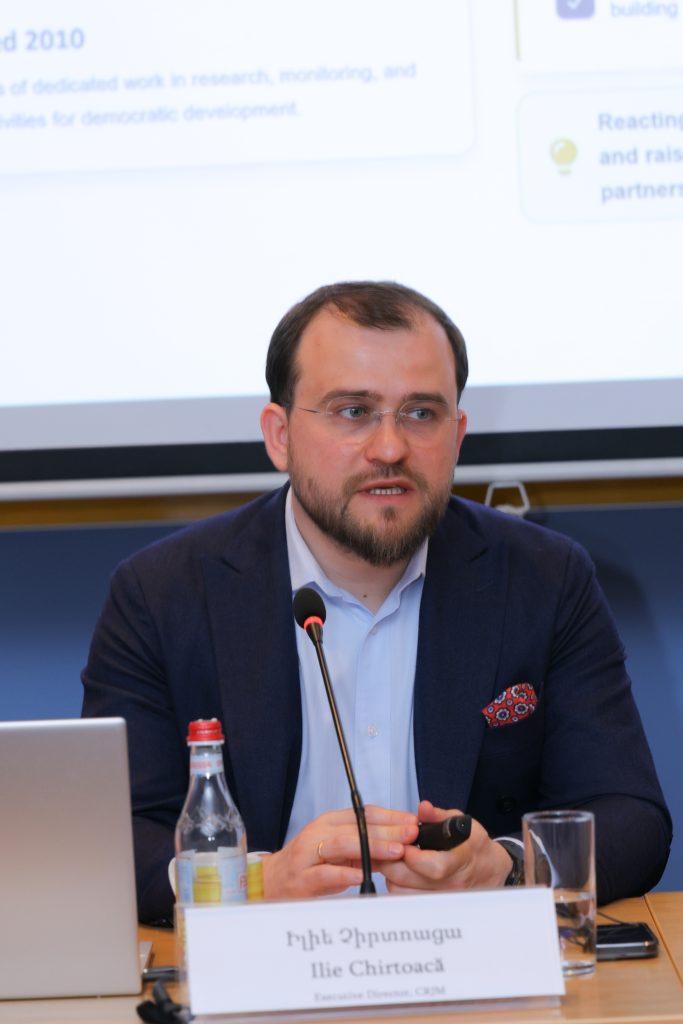
During the first discussion, participants presented the experience of ensuring integrity in the judicial systems of Moldova, Georgia, and Armenia. Ilie Chirtoacă, Executive Director of the Legal Resources Centre from Moldova, spoke about the use of vetting as an external evaluation mechanism and its impact on the judicial system.
“According to data from the last three years, more than 60 percent of those evaluated have left the system, either failing the evaluation or resigning before the process was completed. This indicates serious problems within the judicial system. At the same time, the process has led to a significant shortage of judges, which has created challenges related to case backlogs and prolonged trials in some courts,” Chirtoacă noted.
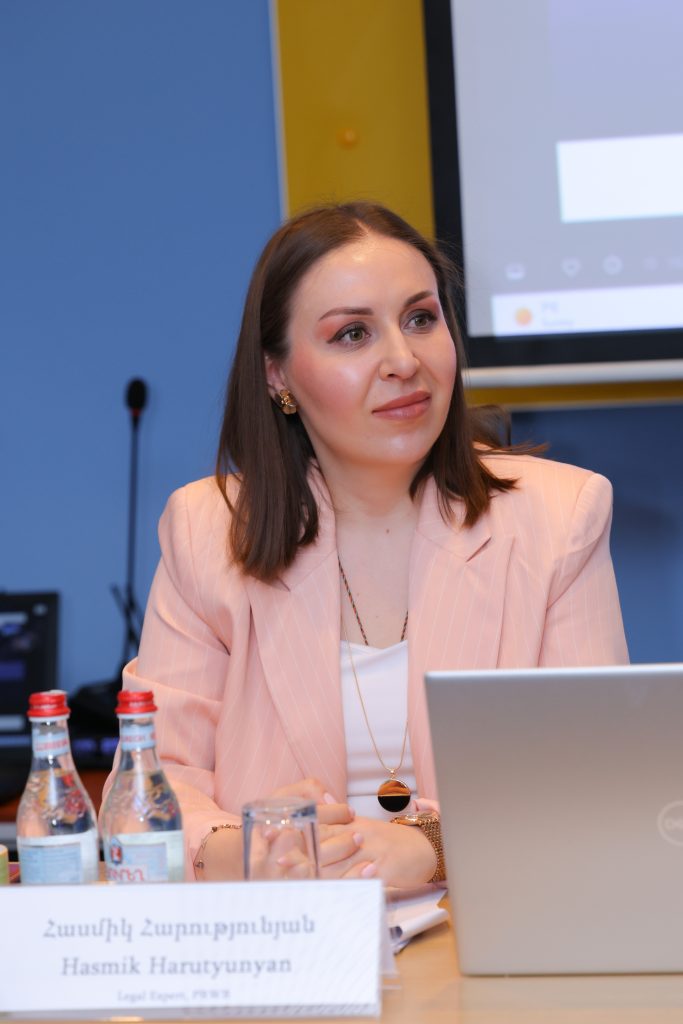
Presenting the Armenian experience, Hasmik Harutyunyan, Legal Expert at the PRWB NGO discussed the use of integrity checks and disciplinary proceedings as a possible alternative to vetting.
“Although broad opportunities for judicial reform emerged in 2018, these changes largely remained at the legislative level, and Armenia has not been able to fully implement them in practice or effectively protect the judicial system from political influence,” Harutyunyan emphasized.
Professor Lasha Tughushi presented the Georgian experience online, speaking about the practice of appointing judges and the mechanisms used to ensure integrity.
The second session of the conference focused on judicial discipline as an important tool for ensuring integrity and accountability within the judicial system. Participants presented legislative regulations governing the disciplinary liability of judges and discussed the practice of their implementation.
The third discussion addressed delayed justice as a systemic challenge and a human rights issue.
Carolina Bagrin, Program Director and Senior Legal Expert at the Legal Resources Centre from Moldova (CRJM), noted that one of the reasons for delays in court proceedings in Moldova is the shortage of judges.
“The main problems, however, are the limited financing of the justice system—significantly below the European average as well as complex bureaucratic procedures that slow down the management and examination of cases,” Bagrin emphasized.
Referring to the Armenian experience, Araks Melkonyan, President of the PRWB NGO noted that lengthy case examination periods continue to pose a serious challenge to the efficiency of Armenia’s judicial system.
“The examination of cases within a reasonable time is a fundamental human right enshrined both in the Constitution of the Republic of Armenia and the European Convention on Human Rights. Delays in justice can undermine the effectiveness of fair trial guarantees and reduce public trust in the courts,” Melkonyan stated. According to her, the problem is largely due to the heavy workload of courts, limited human and material resources, as well as systemic legislative and practical issues that significantly increase the burden on judges.
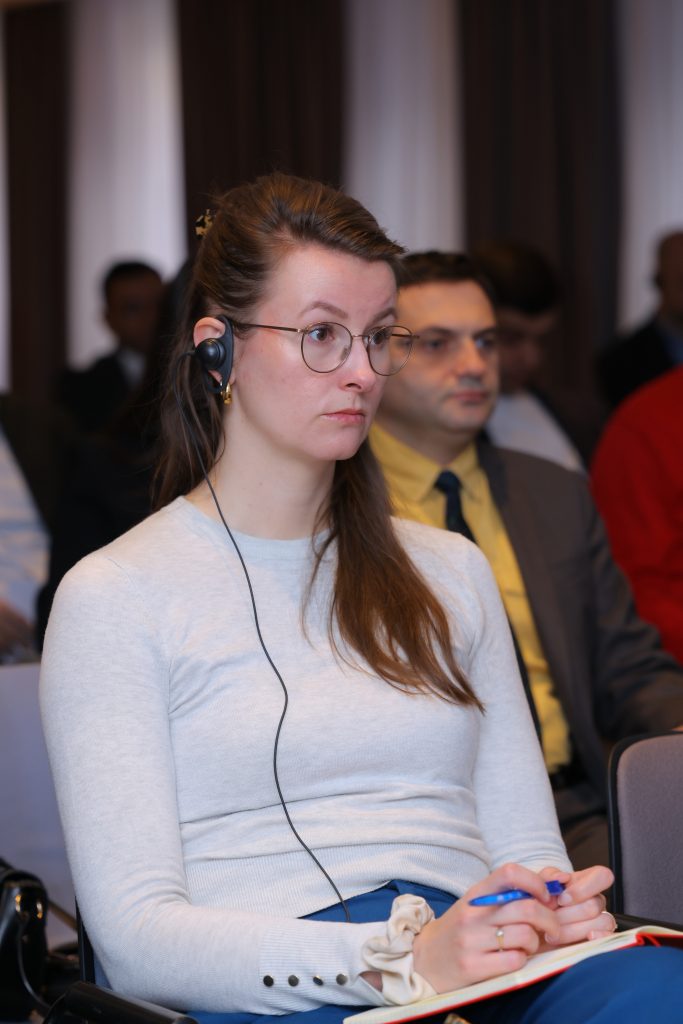
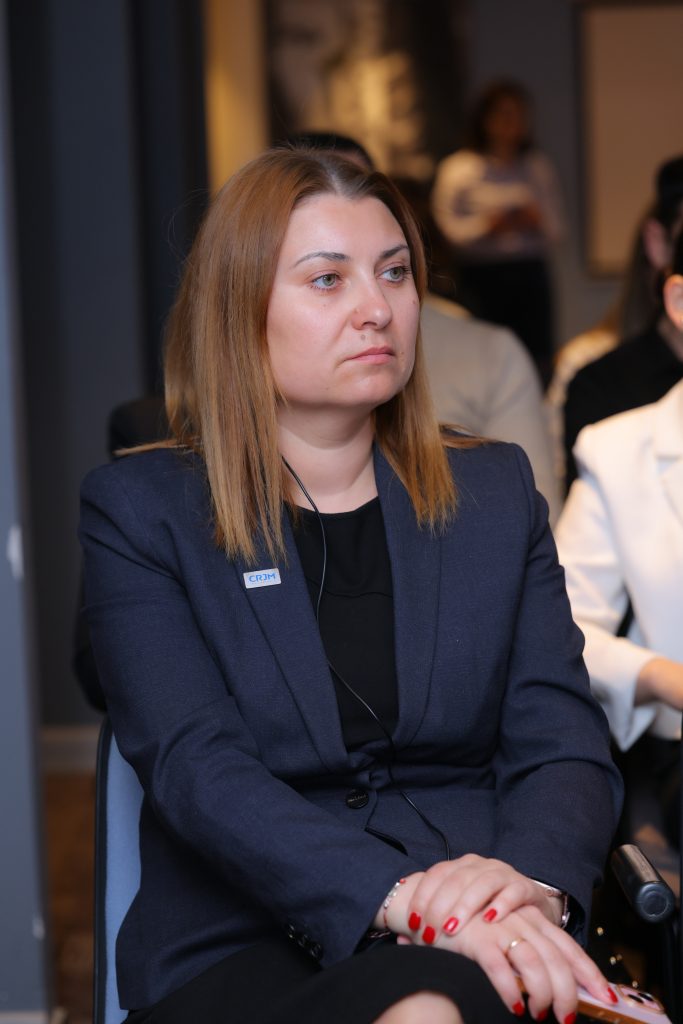
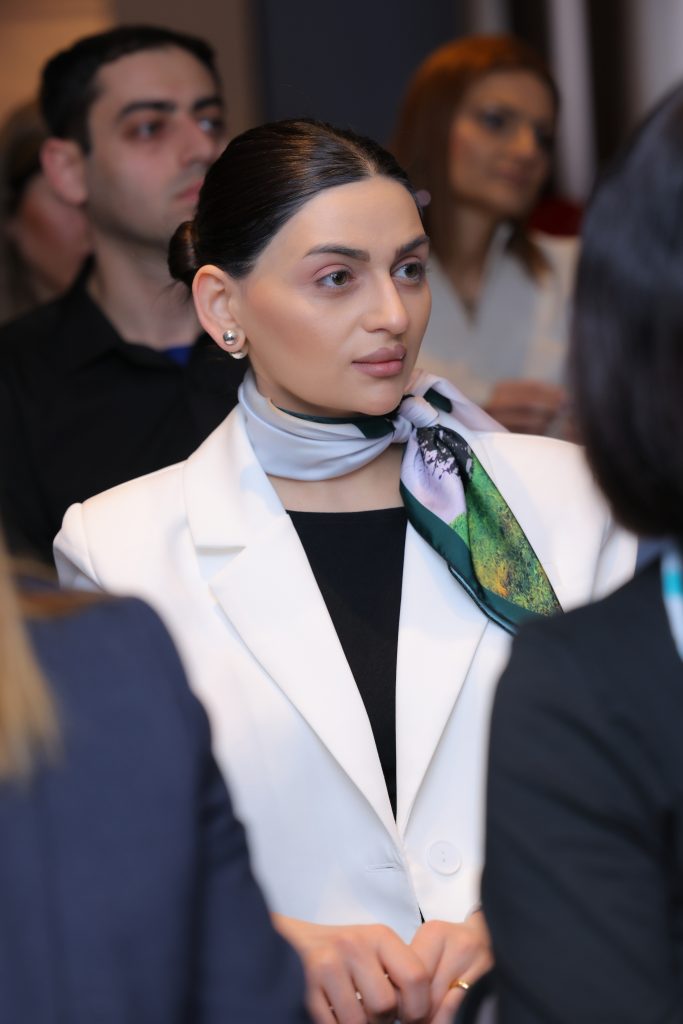
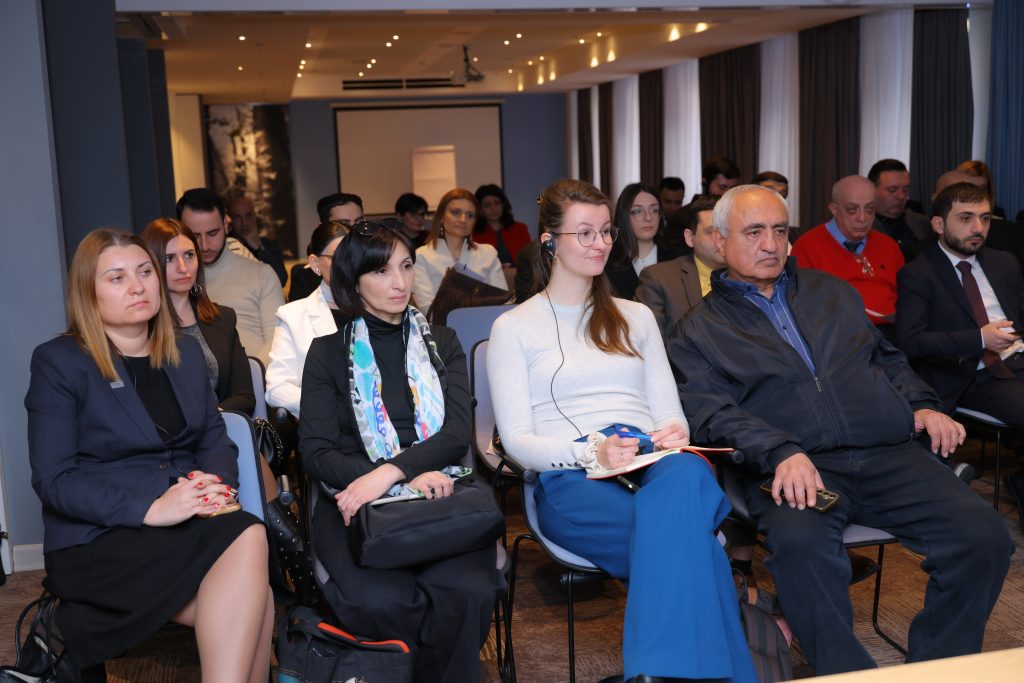
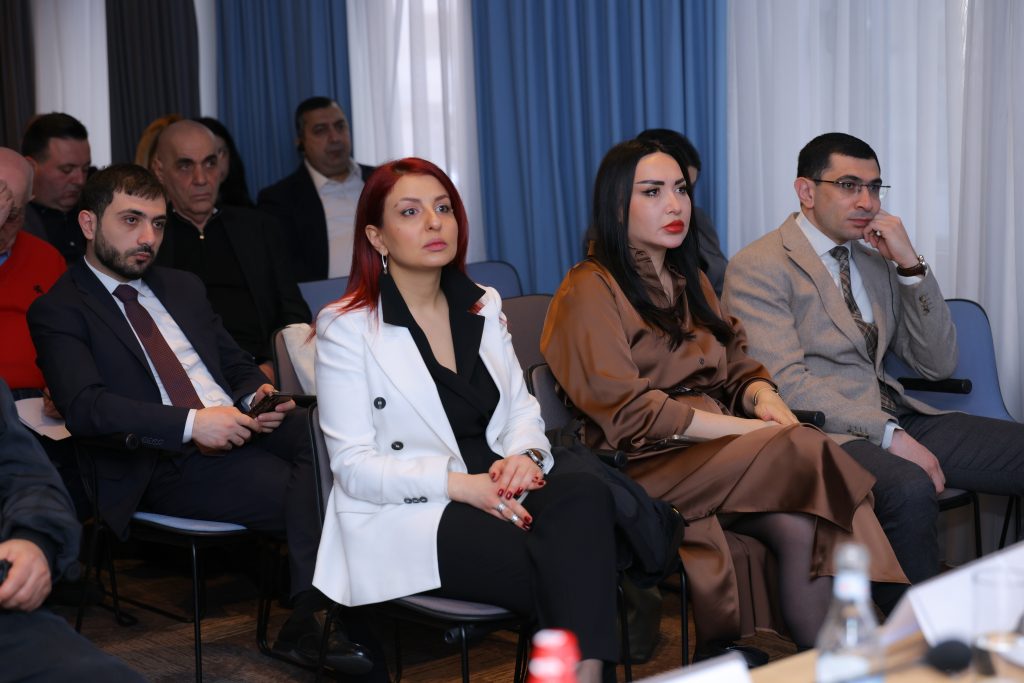
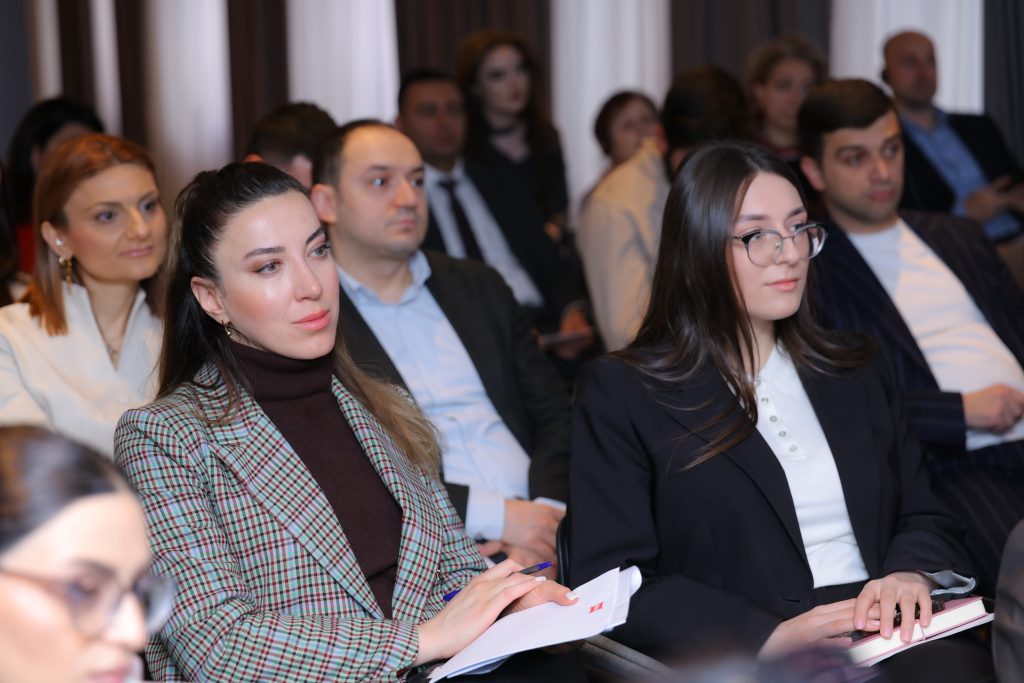
Judges, lawyers, representatives of the judiciary, the Ombudsman’s office, the Ministry of Justice, the Anti-Corruption Committee, the Corruption Prevention Committee, as well as embassies, and international and civil society organizations participated in the conference.
The conference was implemented with the financial support of the European Union through the sub-grant program of the Eastern Partnership Civil Society Forum, in cooperation with the Legal Resources Centre from Moldova .
On March 31, the Protection of Rights without Borders (PRWB)
On March 31, the Protection of Rights without Borders (PRWB)
Anna Melikyan, Projects’ Coordinator at the Protection of Rights Without
We, the undersigned civil society organisations, consider unacceptable and condemn
